Asbestos in Catalonia: what you need to consider when selling or renting out a property
Selling or renting out a property involves providing information about its condition. In Catalonia, since 3 October 2026, this information must also include the presence or absence of asbestos in the cases covered by the new legislation.
Law 8/2026 of 2 July on the eradication of asbestos introduces measures to identify this material and make progress towards its removal. Its effects extend to both property transactions and building maintenance. It is therefore useful to understand which documents must be provided and what responsibilities fall on property owners.
Asbestos is still present in many buildings
Asbestos was used in construction for decades because of its strength and insulating properties. Although its sale and use were banned in Spain in 2002, certain materials installed previously could remain in place until their removal or the end of their useful life.
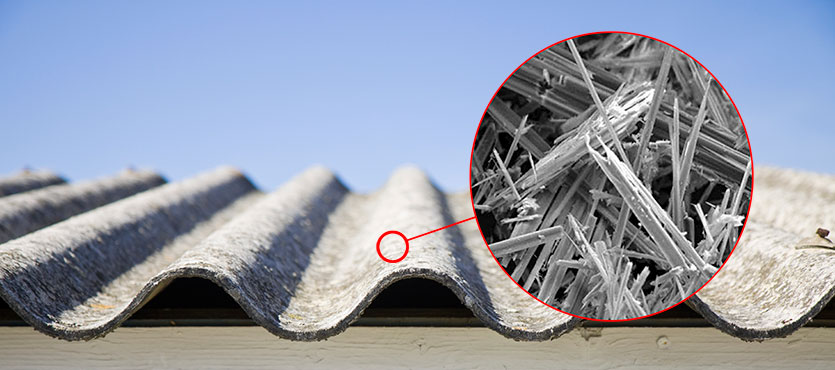
The risk arises when these materials release fibres that can be inhaled, for example, when they break or during maintenance, renovation or demolition work. Their identification and handling therefore require specific precautions.
The asbestos certificate when selling or renting out a property
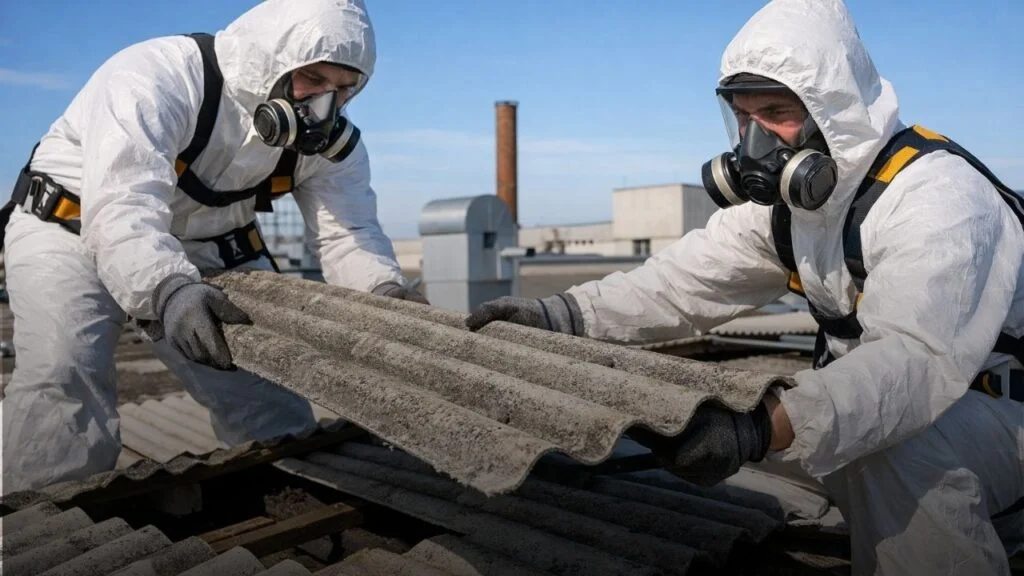
Article 21 of Law 8/2026 establishes that, when selling or renting out a property, a certificate confirming the presence or absence of asbestos must be provided. This document reports on the condition of the property at the time it is issued.
Until the implementing regulations are approved, the certificate must confirm, at a minimum:
- The presence or absence of visible asbestos.
- The condition of the materials containing it.
- The risk they may pose to people.
The Waste Agency of Catalonia has published a basic template and states that it may be issued by architects, technical architects, engineers and technical engineers, within their respective professional competencies.
The certificate is required for properties built before 2002. This time limit derives from the date on which the sale and use of any type of asbestos-containing material were banned in Spain, the year in which manufacturing, selling or installing products containing asbestos became completely prohibited (Ministerial Order of 7 December 2001, issued by the Ministry of the Presidency, which amended Annex I to Royal Decree 1406/1989 and transposed Community Directive 1999/77/EC into Spanish law).
When the transaction concerns an individual dwelling, office or commercial unit, the certificate refers solely to that unit and does not extend to the entire building.
It is important to understand its scope: the basic template is based on a visual inspection of accessible areas. Therefore, it does not guarantee that there are no hidden asbestos-containing materials or materials that cannot be identified visually. Consulting the asbestos register does not replace the certificate either.
Detecting asbestos does not in itself prevent the transaction
The Waste Agency of Catalonia clarifies that detecting elements that may contain visible asbestos does not in itself prevent the property from being sold or rented out. The certificate serves an informative purpose: it allows the situation to be understood and its consequences assessed before entering into a contract.
As a practical measure, this information should be reviewed before signing, and commitments regarding possible work and expenses should be recorded in writing. This allows the parties to negotiate with a better understanding of the property’s condition.
The seventh additional provision also provides for the asbestos presence certificate and certain grants to be recorded in the Land Registry when registering a transfer of ownership for consideration, under the terms established by contaminated land legislation.
The owner’s obligations also extend to maintenance
The legislation also applies to those who do not intend to sell or rent out their property. Article 11 requires owners to notify the competent authority of the known presence of asbestos and to take the necessary measures to remove it in accordance with the law.
This does not mean that all properties must be free of asbestos immediately: the fourth additional provision refers to the binding deadlines set by the competent institutions.
To organise the work, it is necessary to determine whether the material is located in a privately owned element or a common element:
- Privately owned element: its maintenance is, in principle, the owner’s responsibility.
- Common element: maintenance is the responsibility of the community of owners, and the cost is shared according to the rules applicable to the property.
Articles 553-38, 553-44 and 553-45 of the Civil Code of Catalonia regulate these obligations and contributions to common expenses. Therefore, before assigning the cost to a specific person, the nature of the affected element and the community’s rules must be checked.
Removal must be carried out with appropriate safeguards
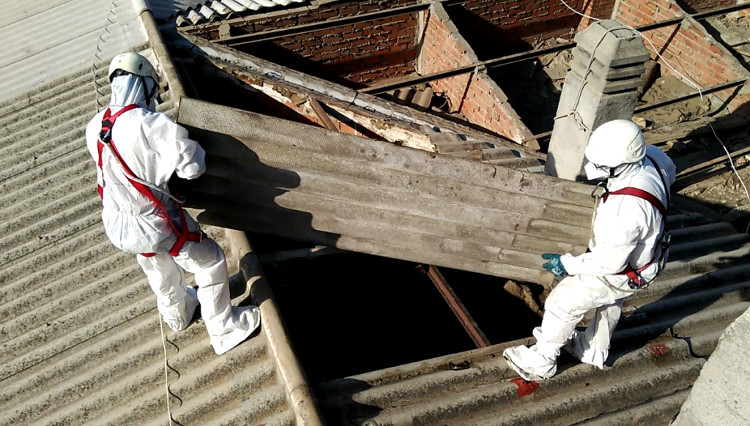
Work involving a risk of exposure to asbestos must be entrusted to specialised companies that comply with safety legislation, including registration in the Register of Companies at Risk from Asbestos (RERA) and the applicable requirements for work plans, in accordance with Royal Decree 396/2006.
Improper work can also give rise to liability towards neighbours. Article 546-13 of the Civil Code of Cataloniaexpressly includes asbestos fibres among emissions arising from unlawful acts which, if they cause damage to other properties or their occupants, give rise to liability.
Before selling, buying or renting a property to which this obligation applies, it is advisable to check the certificate, review its limitations and specify how any outstanding work will be addressed.

Contactar
Contáctanos para solicitar información sobre temas relacionados con Real estate law